
The Trail That Changed Access to Wilderness
A historic flume path above the Yuba River became the first wheelchair-accessible wilderness trail in America.
This trail in Nevada County wasn’t built for hiking. It changed who could access wilderness.
The Independence Trail follows the path of an old mining flume along the South Yuba River, originally constructed during the Gold Rush to carry water to hydraulic mining operations. Nearly a century later, that same route became something entirely different.
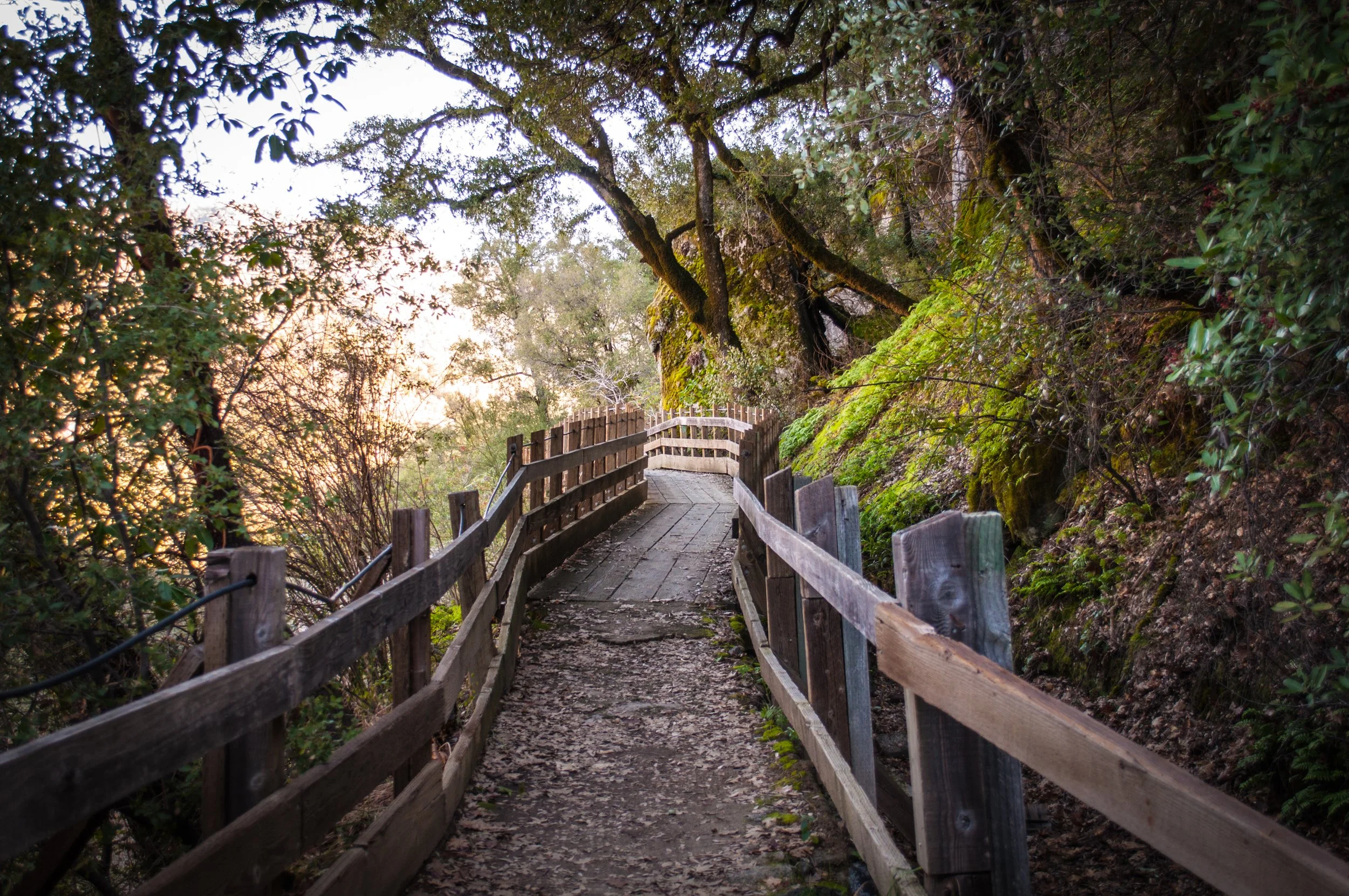
Beginning in 1969, local resident John Olmsted started developing the flume route into a trail that could be accessed by people with disabilities. Over the following years, it became known as the first wheelchair-accessible wilderness trail in the United States.
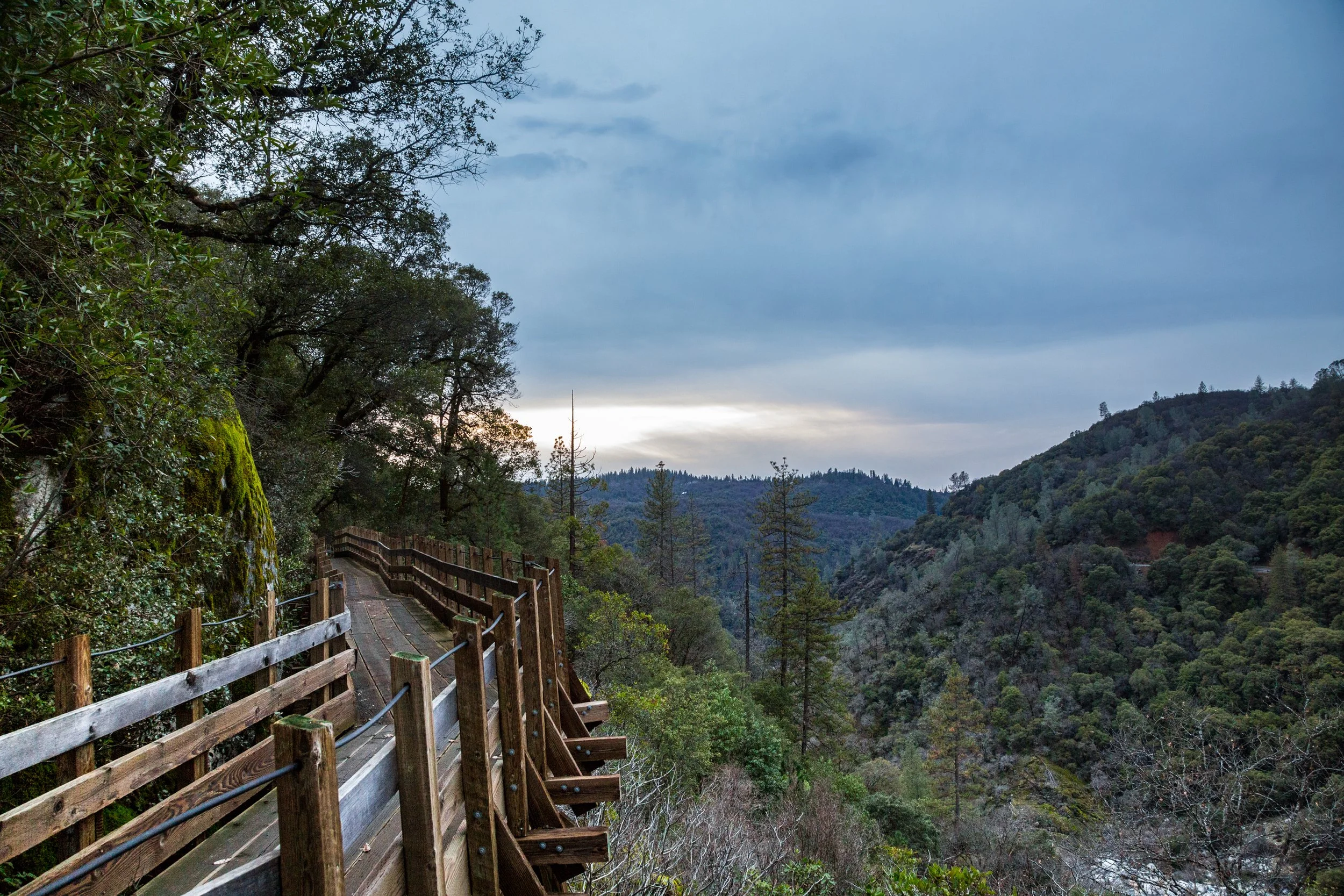
Photo by Kial James
Wooden Walkways for Ease of Use
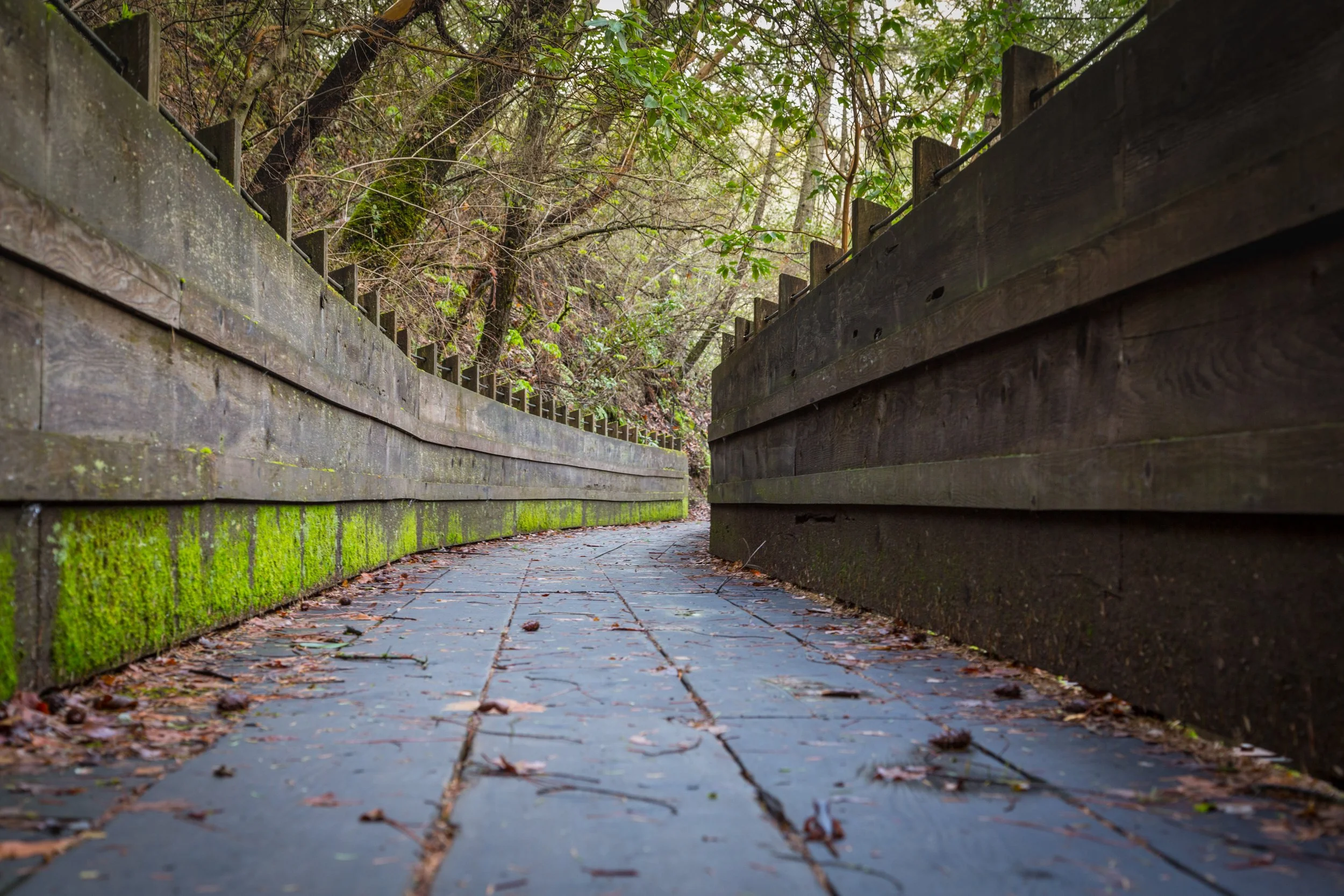
Wooden walkways were constructed along the original flume alignment, creating a relatively flat path through rugged canyon terrain. For the first time, people who had been largely excluded from outdoor spaces could experience the river, forest, and canyon views that define this part of Northern California.
The trail quickly became a model for accessible outdoor design, showing that wilderness and inclusivity didn’t have to be separate ideas.
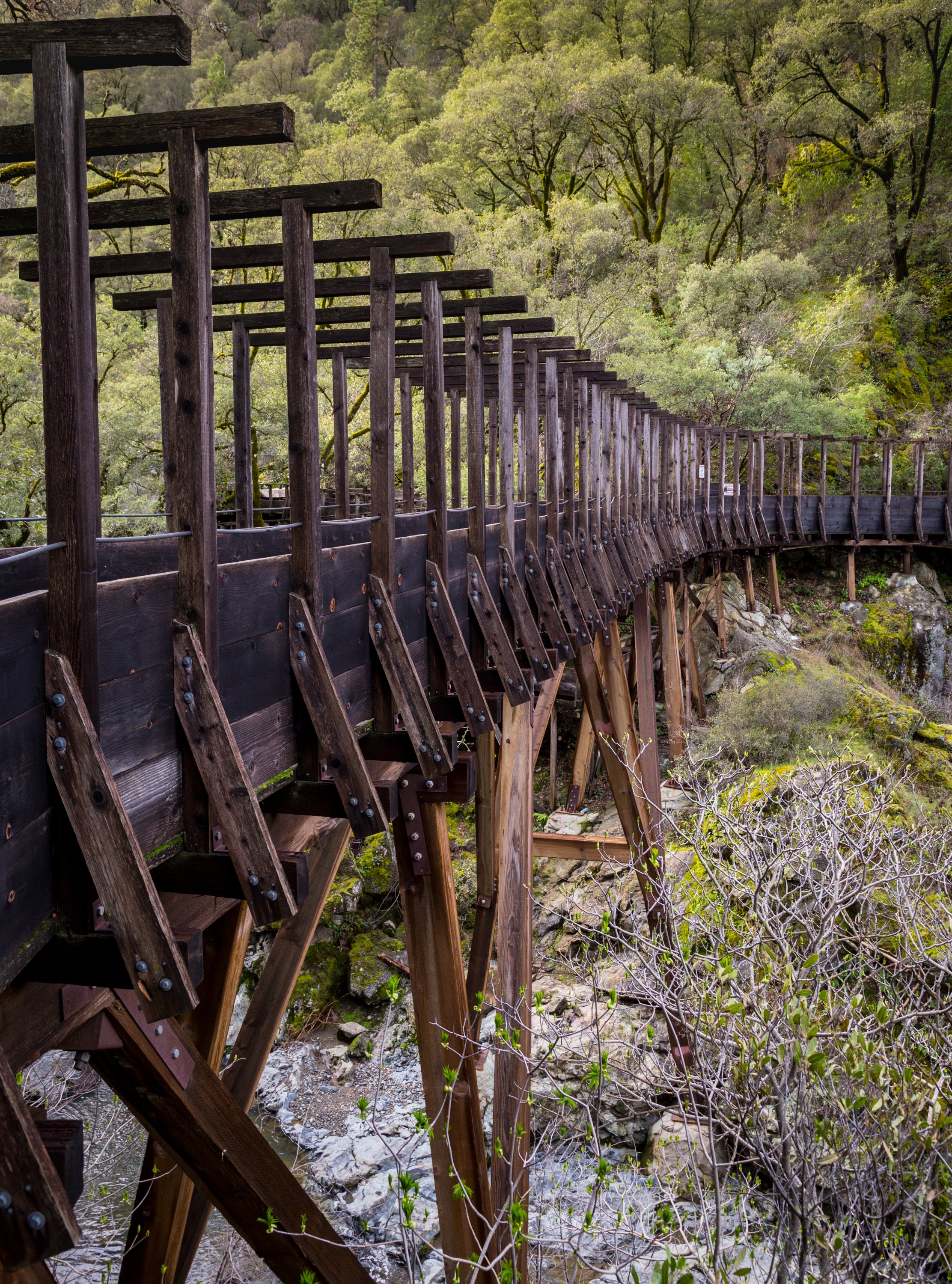
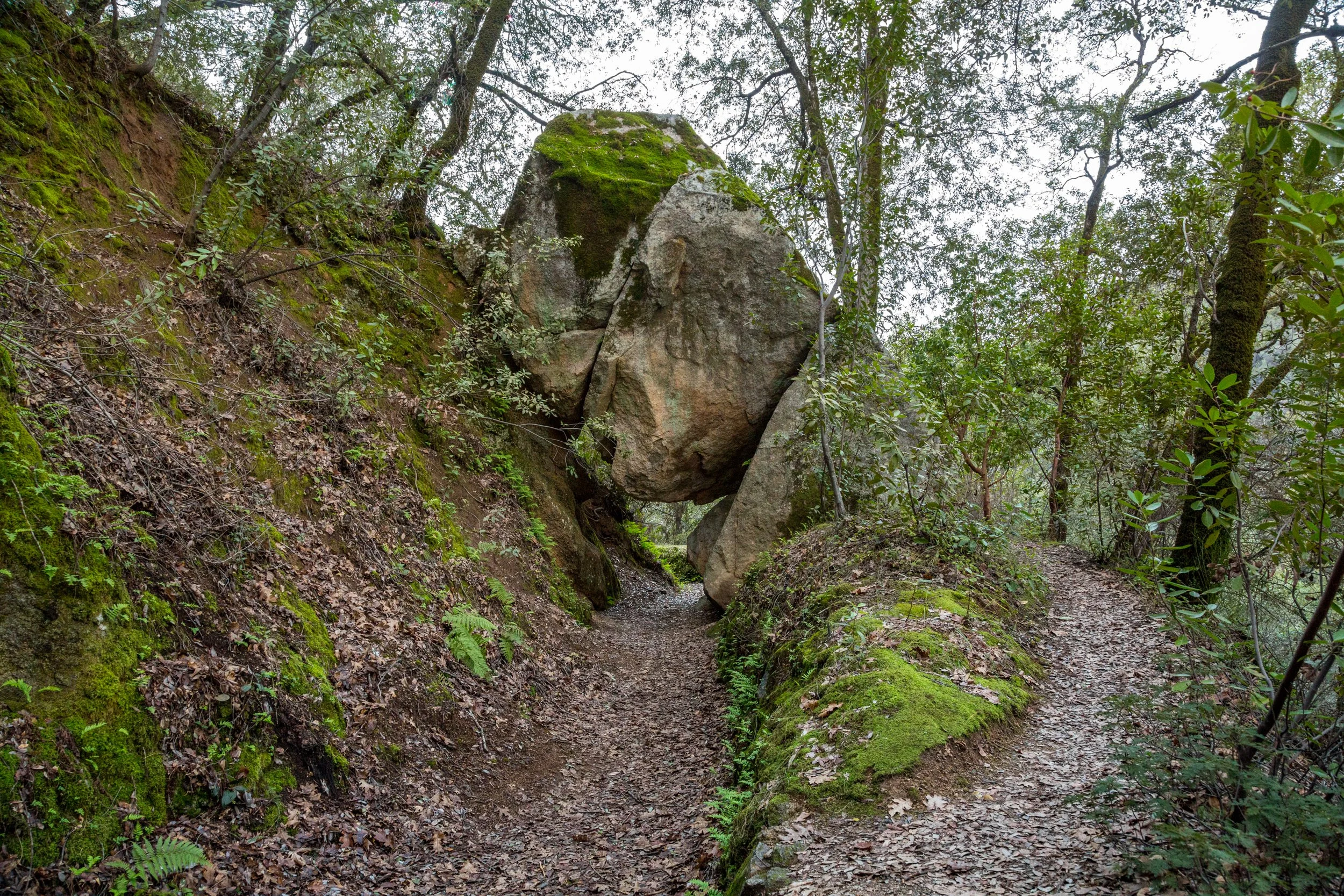
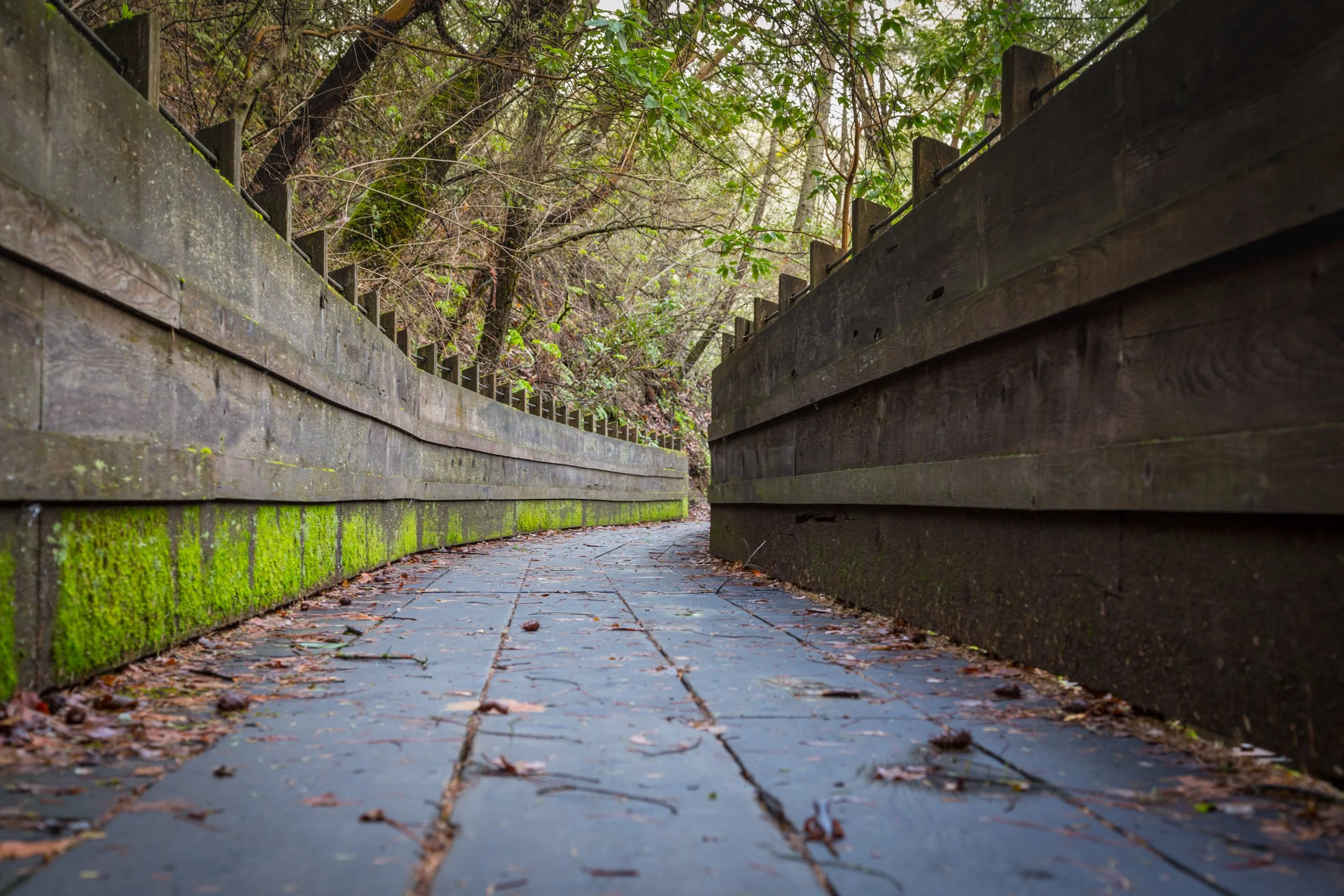
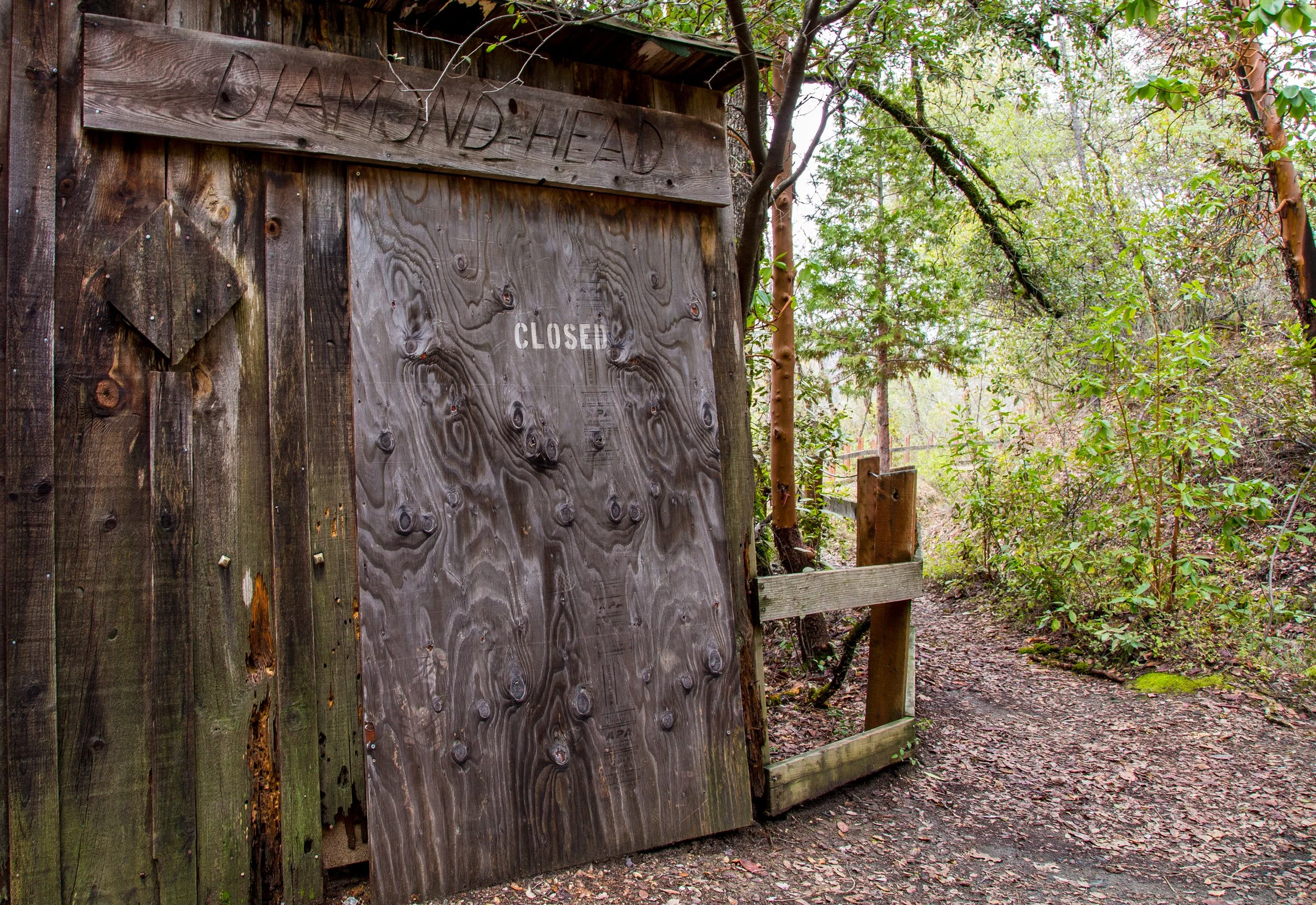
But the story doesn’t end there…
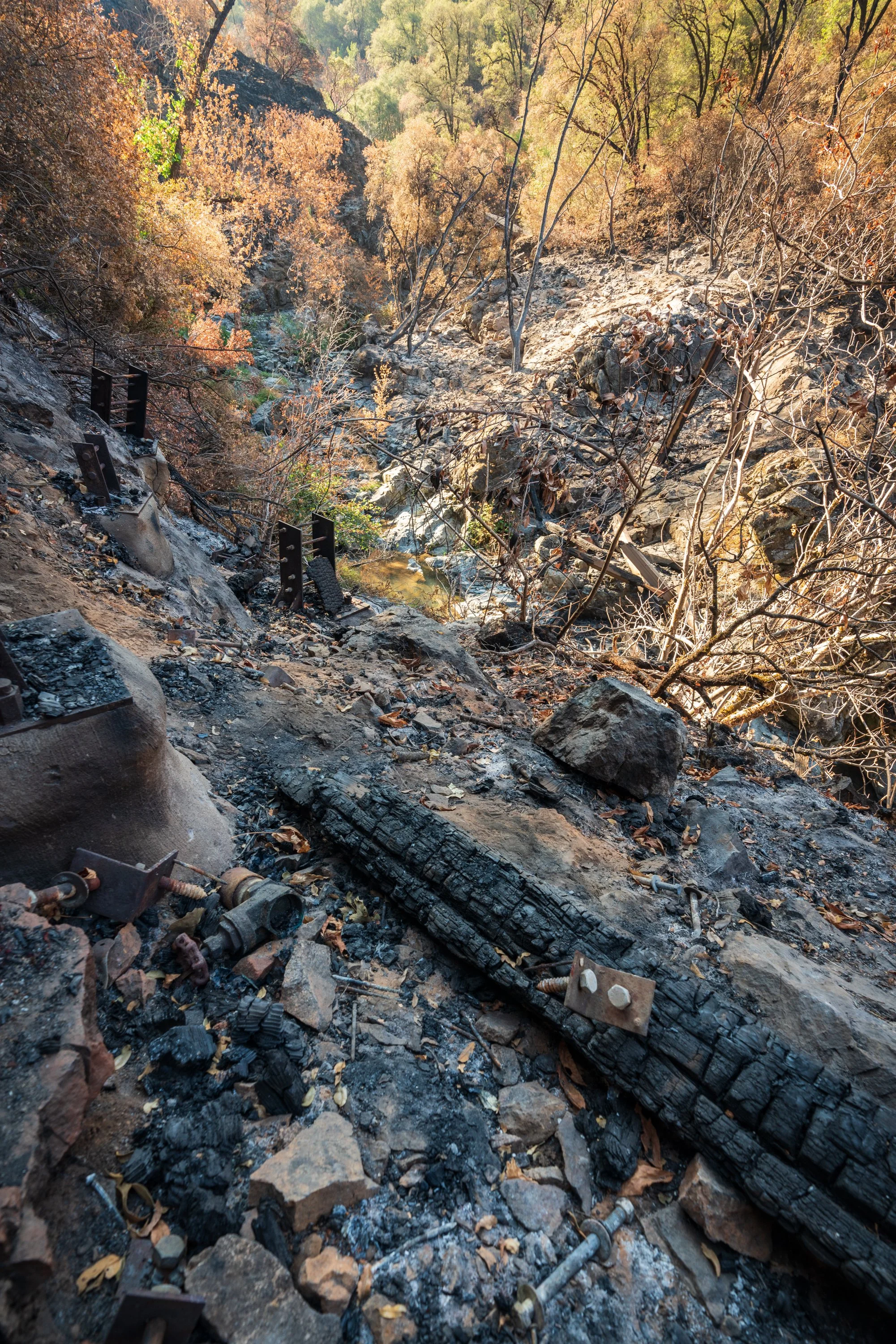
In 2020, the Jones Fire burned through parts of the Independence Trail corridor, destroying sections of the historic flume and forcing long-term closures. Portions of the trail have since reopened, but some areas are still undergoing restoration.
There’s also a more personal layer to this story.
Shortly after the fire, I had the opportunity to be part of the filming of a documentary led by Alden Olmstead, son of the late John Olmstead. With special access from a park ranger, we were able to walk into sections of the trail that had just burned.
The ground was still blackened. Fire retardant coated the landscape. The structures that once carried the trail along the canyon — the flumes, the walkways, the handrails — were gone in places, reduced to fragments or ash.
It didn’t feel like a typical post-fire scene. It felt heavier than that.
This wasn’t just forest loss. It was the loss of something carefully built with intention — a place designed to give access, dignity, and experience to people who had historically been left out of spaces like this.
Standing there, it was hard not to think about how long it would take to rebuild — or whether parts of it could ever be fully restored at all. Much of the original infrastructure was unique to this trail, shaped by the terrain and its history. It wasn’t something that could simply be replaced.
There was a sense, in that moment, of both loss and responsibility — to document it honestly, and to remember what this place represented before the fire.
Today, the Independence Trail stands as both a historic achievement and an ongoing recovery story — a place shaped by innovation, loss, and the effort to rebuild something that changed access to the outdoors.
📍 Independence Trail
South Yuba River State Park
Nevada County, California