
Beneath Folsom Lake Is a Forgotten Gold Rush Story
Long before bike paths, paddleboards, and recreation trails, this stretch of the American River was home to an important Black Gold Rush community
Today, people come here for paddleboards, kayaks, hiking trails, and summer afternoons along the water.
But long before Black Miners Bar Recreation Area became one of the most popular recreation areas near Folsom Lake, this shoreline was part of a very different California story.
Before the reservoir existed, this area sat beside the flowing American River during the height of the Gold Rush. Black miners worked the gravel bars and riverbanks here, helping shape one of California’s important early mining communities.
For more than a century, the area was historically known as Negro Bar — a name tied directly to the Black miners who lived and worked here during the Gold Rush era. In recent years, the recreation area was officially renamed Black Miners Bar to more directly reflect that history.
Today, the recreation area itself still carries that history forward through its modern name.
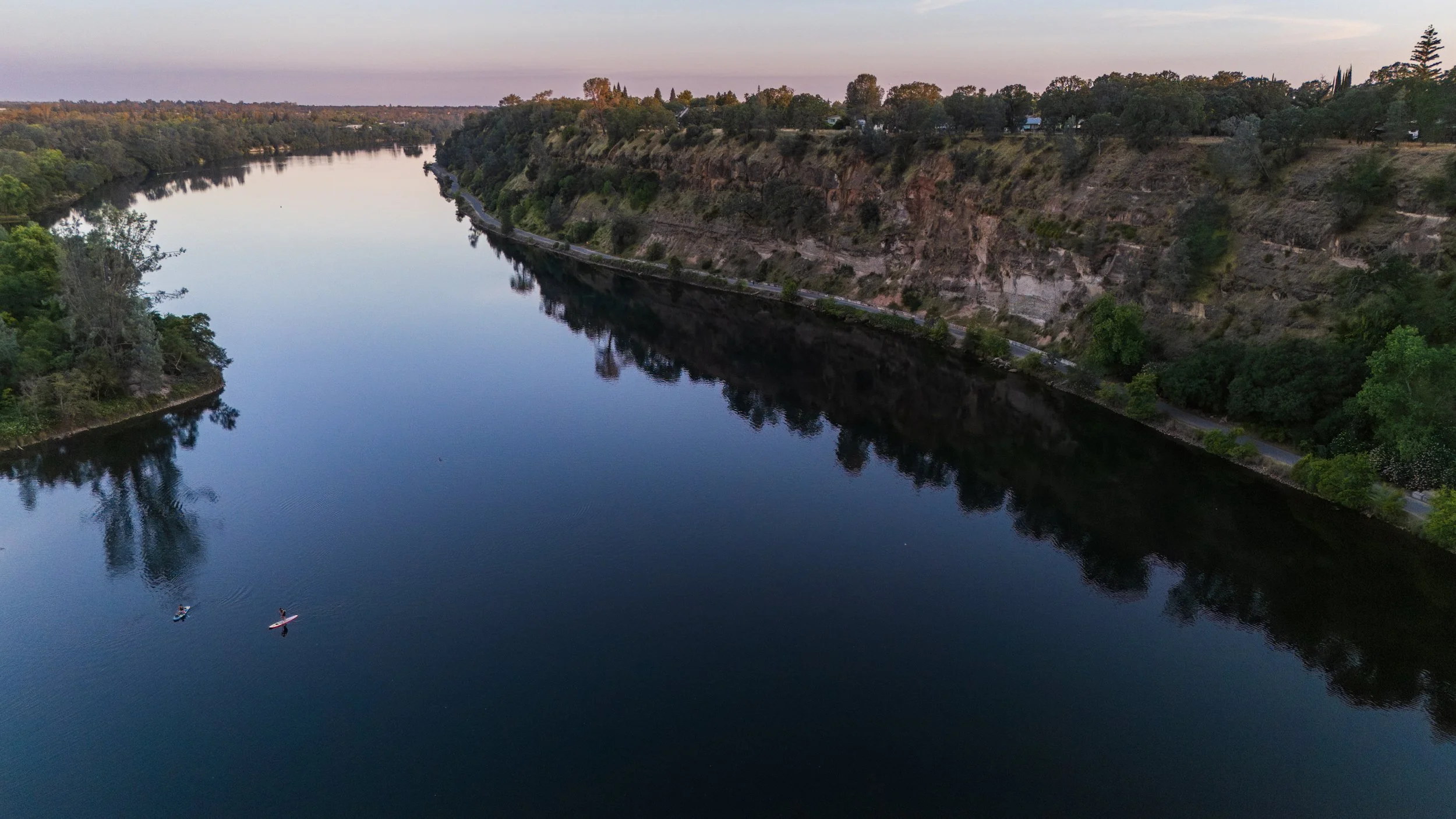
Photo by Kial James
The story reaches far beyond mining.
The surrounding region was historically tied to lands connected with William Alexander Leidesdorff Jr., one of the earliest Black millionaires in the United States and a major figure in the development of early California. A businessman, diplomat, landowner, and entrepreneur, Leidesdorff played a significant role in the growth of early San Francisco during California’s transition into American statehood.
His Rancho Rio de los Americanos land grant covered large portions of the surrounding area near present-day Folsom.
What makes this place remarkable is the contrast.
Today, the water covering much of this landscape is part of man-made Folsom Lake, formed after the construction of Folsom Dam in the 1950s. But before the reservoir transformed the landscape, this was an active river corridor shaped by Gold Rush camps, river crossings, and mining activity along the American River.
Now, bikers, kayakers, and paddleboarders move across land and water that once bordered one of California’s overlooked Gold Rush communities.
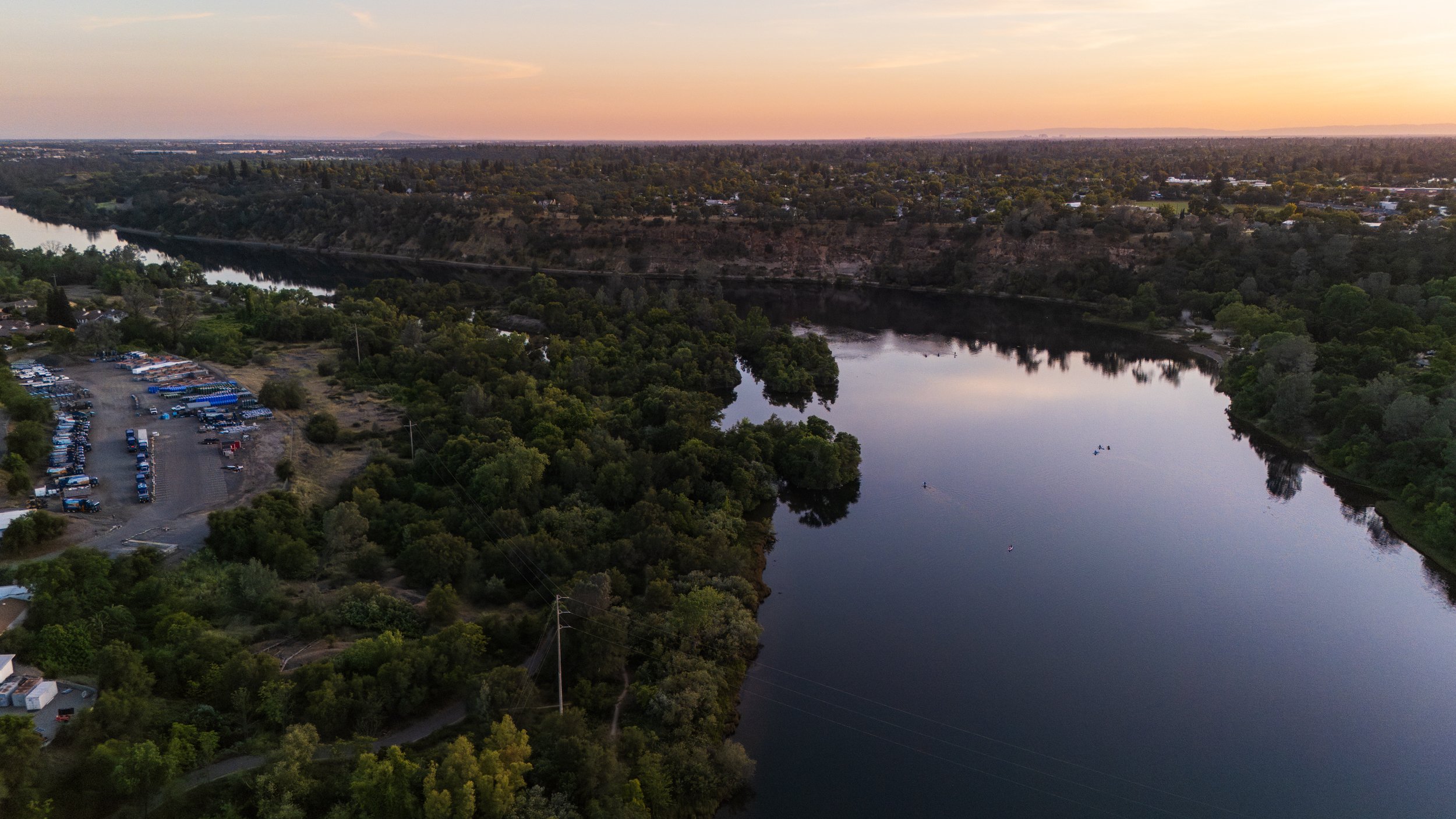
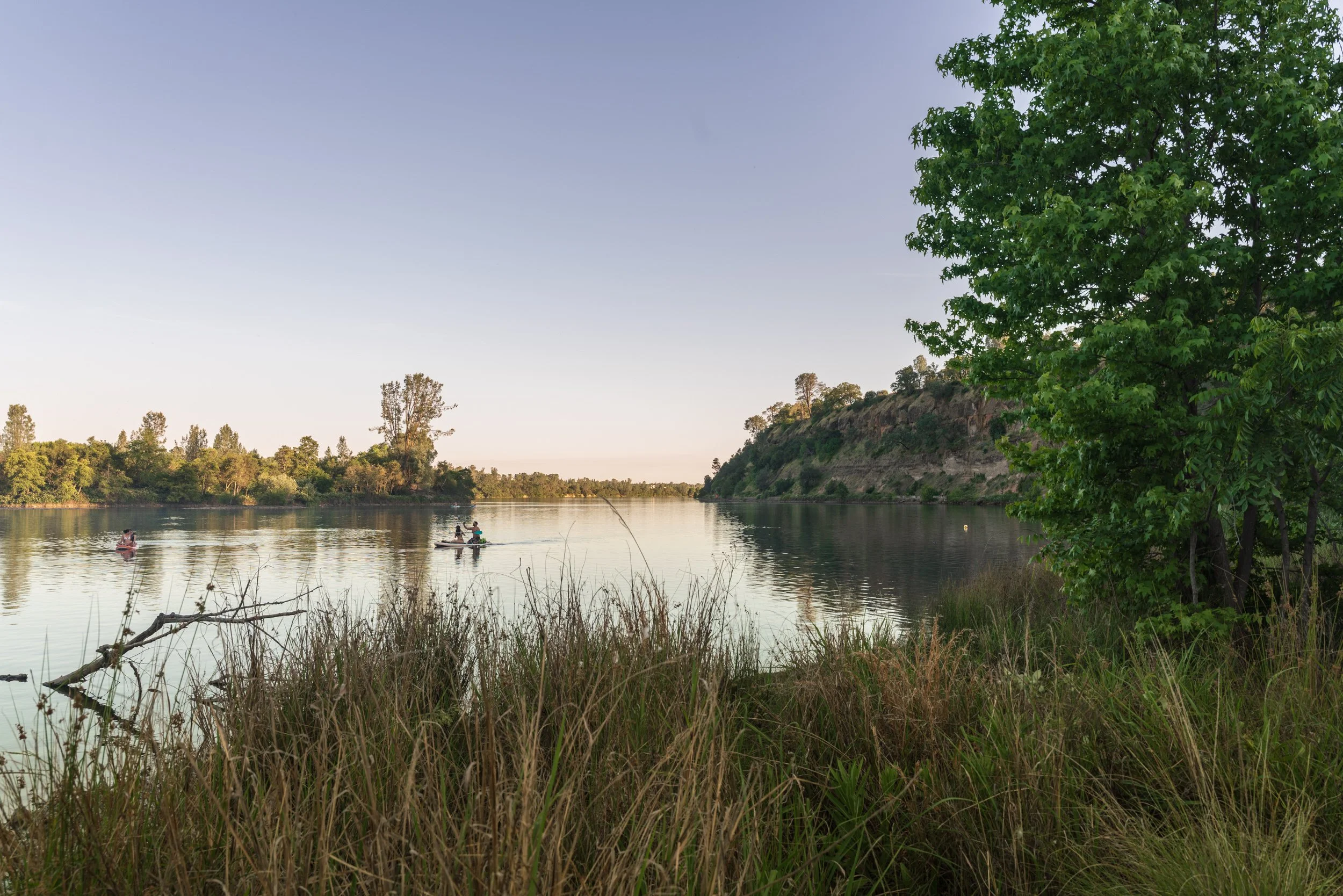
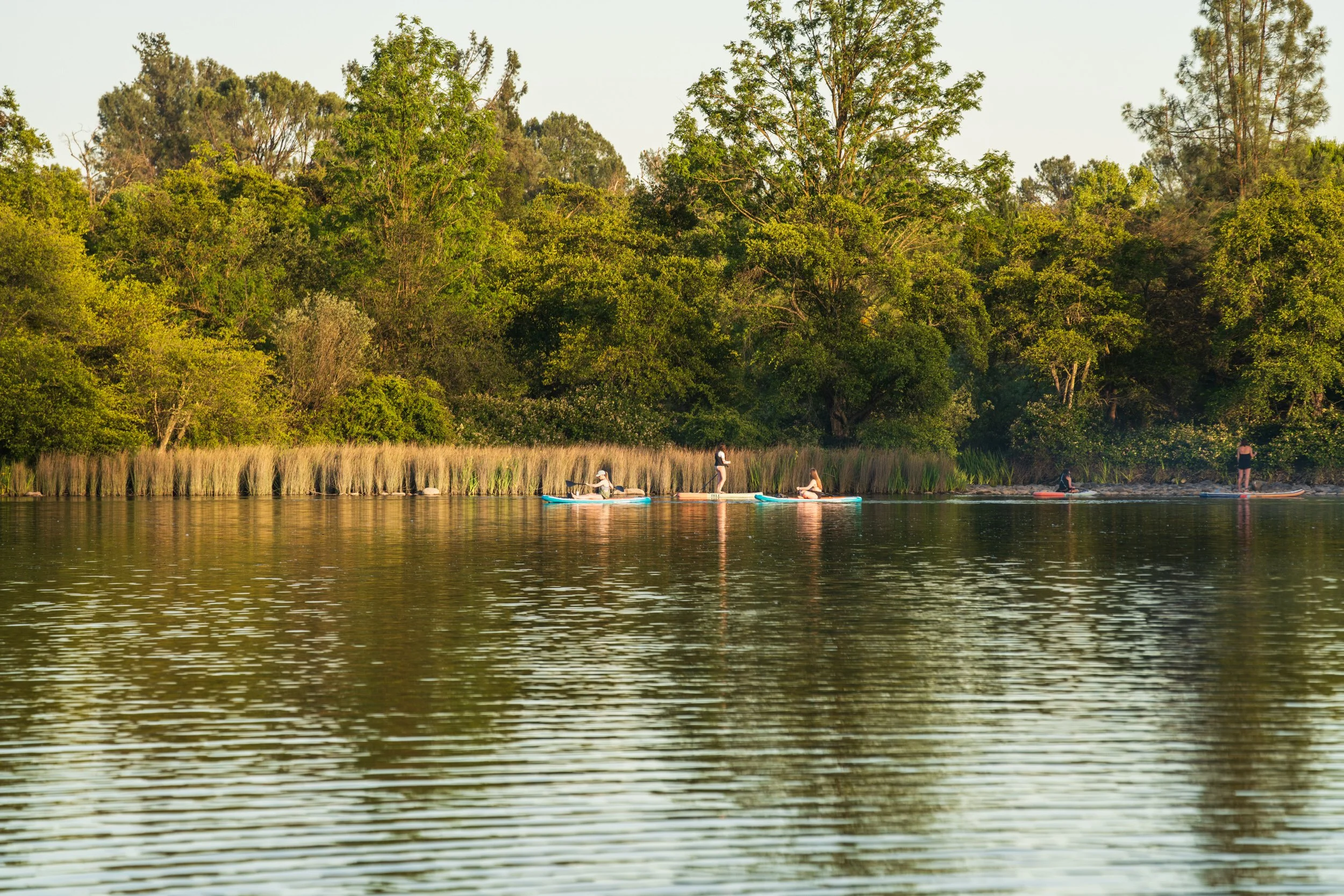
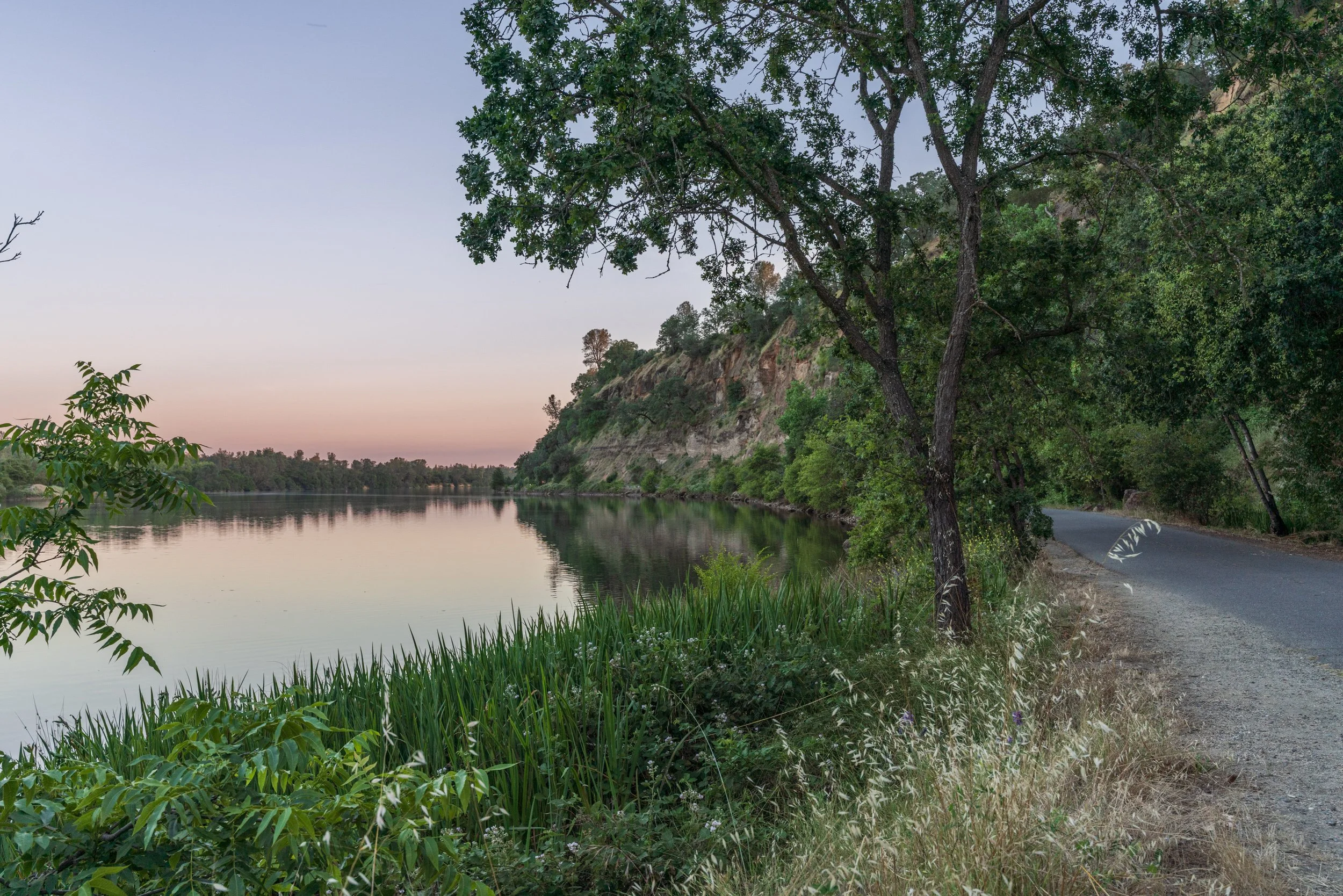
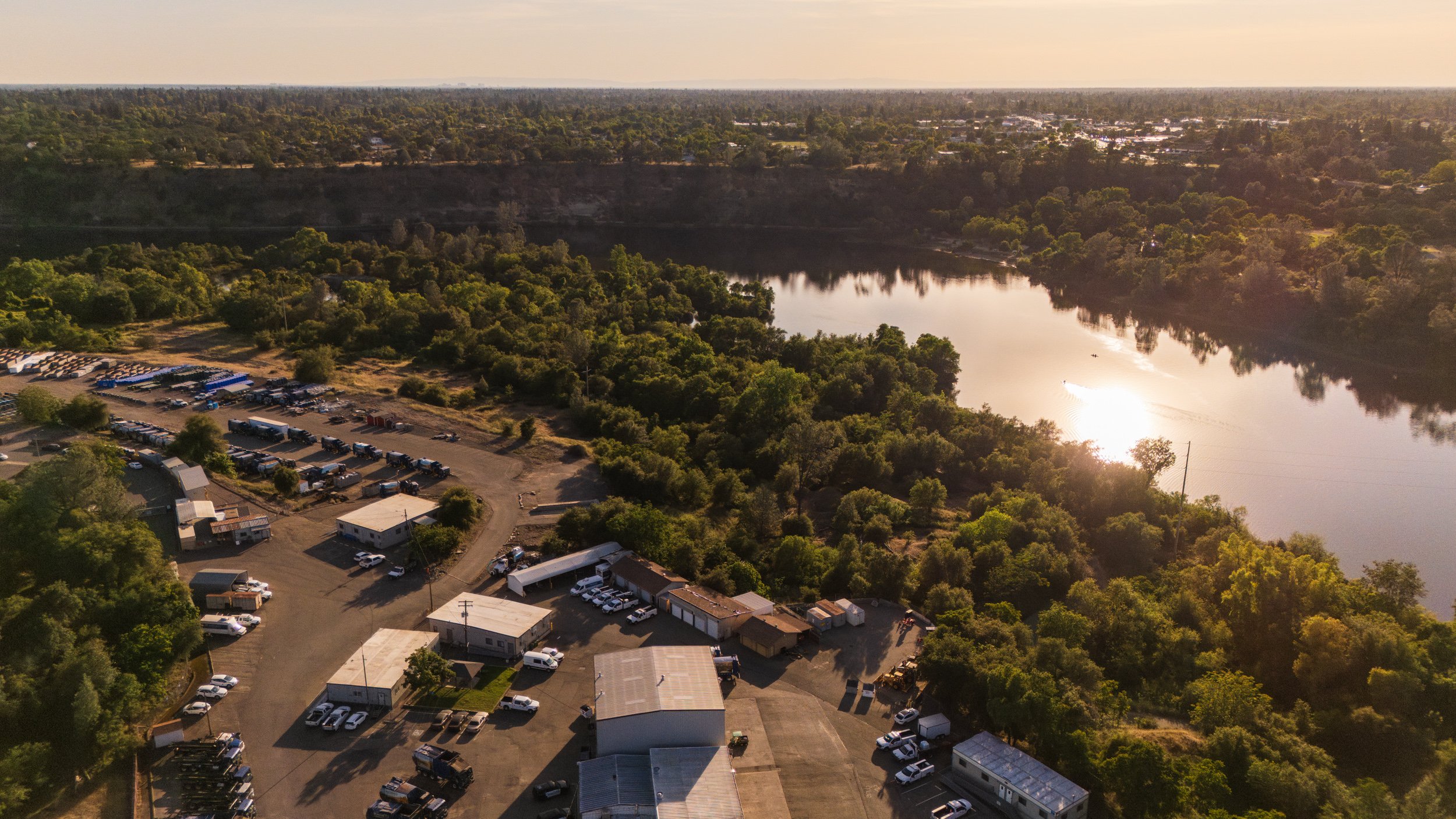
Standing here today, it’s easy to see only the recreation…
But underneath the trails, shoreline, and lake water is a much deeper story — one connected to migration, opportunity, hardship, entrepreneurship, and the often-overlooked contributions of Black pioneers during California’s earliest years.
It remains one of the most important Gold Rush stories that many Californians still know very little about.
📍 Black Miners Bar Recreation Area
Folsom, California
Field Notes
An overlooked chapter of California’s Gold Rush history
Originally located along the American River before Folsom Lake existed
Home to an important Black mining community during the Gold Rush
Historically known as Negro Bar for more than a century
Renamed Black Miners Bar in recent years
Connected regionally to William Alexander Leidesdorff Jr. and Rancho Rio de los Americanos
Today serves as a major recreation area for biking, paddling, hiking, and outdoor recreation